
Getting this right matters because the wrong products — overpriced or just poorly formulated — can leave your skin exactly where it started, only your bank balance is lighter. Understanding what separates genuinely effective skincare from beautifully marketed noise helps you spend where it actually counts.
What You’re Really Paying For — And What You’re Not
Affiliate disclosure: This article contains affiliate links. If you purchase through them, we may earn a small commission at no extra cost to you.
Price alone tells you very little about what a product will do for your skin. What does matter is the concentration and purity of active ingredients, and whether there’s real clinical evidence behind the formula — not just a roster of glowing influencer reviews.
Clinical-grade skincare is held to pharmaceutical-grade standards, meaning active ingredients must meet at least 99% purity levels. Standard consumer products carry no such requirement. Take retinol as an example: over-the-counter versions typically contain between 0.01% and 0.03% active retinol, while clinical-grade formulations sit at 0.5% to 1.0%. That difference is significant — it can mean visible skin changes within six to twelve weeks rather than three to six months of hoping for the best.
Delivery systems matter too. Genuinely advanced formulations are engineered to penetrate the dermis, where collagen and elastin production actually happens, rather than sitting on the skin’s surface. This R&D investment is a legitimate reason some products cost more. But that investment only justifies a premium when there’s documented evidence behind it — controlled trials, not just brand storytelling.
Brands like Augustinus Bader, for instance, back their products with over three decades of clinical research. Their Rich Cream showed 100% of trial participants agreeing their skin felt instantly hydrated after twelve weeks of use. That’s the kind of substantiation worth scrutinising before you spend serious money.
Where Budget Skincare Genuinely Holds Its Own
For the core building blocks of a routine — cleanser, moisturiser, vitamin C serum — price often has very little bearing on performance. The fundamentals work the same whether you’re sourcing them from a pharmacy shelf or a luxury counter. What matters is whether a moisturiser actually contains proven hydrating compounds, not what it costs or how it’s packaged.
Korean beauty (K-beauty) is a good example of this principle in practice. Brands like Anua and Cosrx have built genuine reputations on documented results at accessible prices — typically £10 to £20 per product. The Cosrx snail mucin moisturiser, for example, is widely noted for keeping skin hydrated without trapping oil, which is a balance that can be hard to strike regardless of budget. The Anua niacinamide serum has become known for addressing hyperpigmentation and age spots with consistent daily use.
K-beauty’s emphasis on double cleansing — an oil-based cleanser followed by a water-based one — has also proved effective for pore clarity and is a technique you can adopt with entirely affordable products. The method, not the price tag, is what makes the difference.
Building a Routine That’s Both Effective and Realistic
A sensible approach is to identify the one or two concerns you most want to address — whether that’s hydration, uneven skin tone, or early signs of ageing — and consider spending more strategically there. Keep the basics affordable: a gentle morning cleanser, a reliable SPF, a straightforward evening moisturiser. Then, if you’re going to invest in something with a higher price point, look for clinical evidence rather than marketing language.
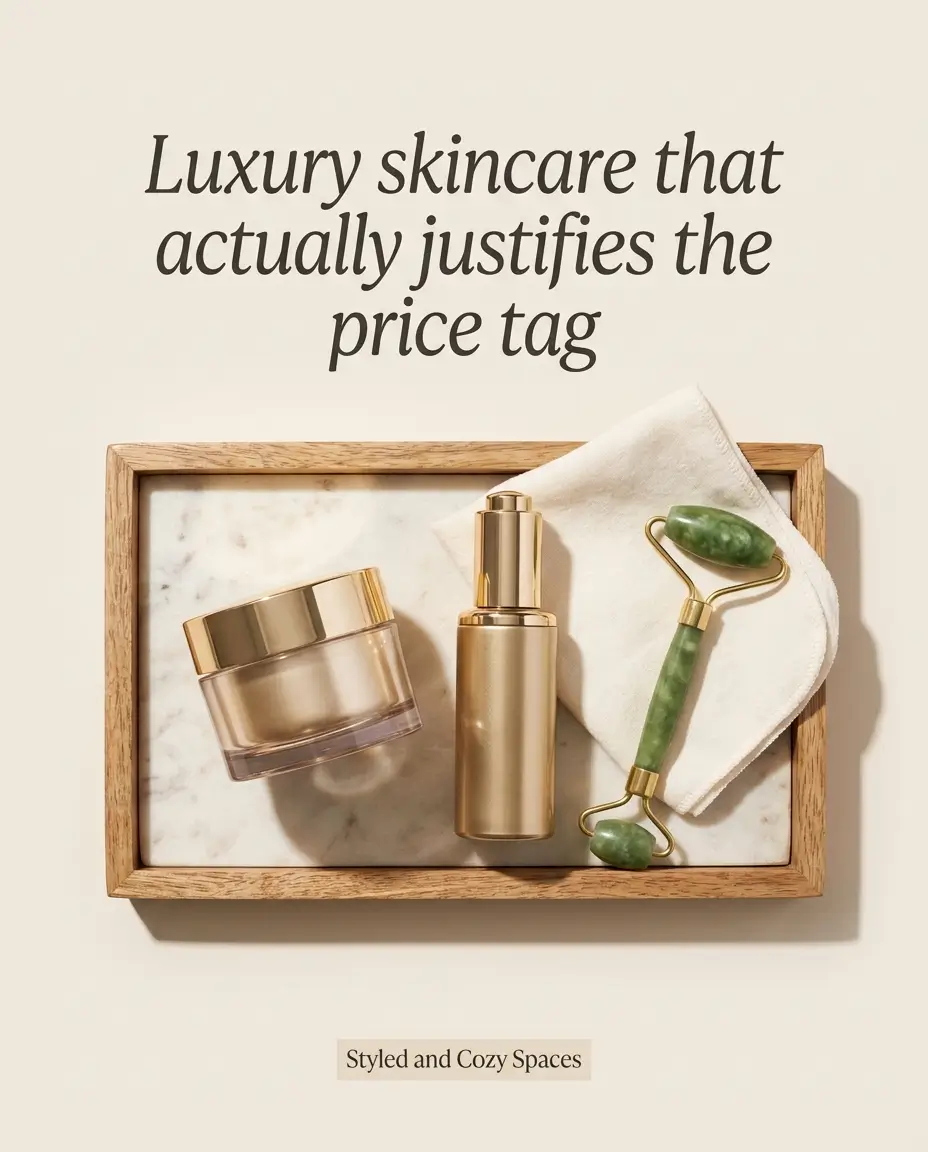
For those looking to consolidate this into something cohesive, the eCosmetics Luxury Skincare Set brings together a curated selection of higher-end formulations in one purchase. It suits someone who wants to move beyond the basics without having to research and source each product individually. It’s a considered option if you’re ready to invest in a more complete routine rather than piecing things together gradually — though as with any skincare, results depend on your skin type and consistency of use.
The most useful thing to take from all of this is simple: consistency with the right ingredients will always outperform expensive products used irregularly. Understand what your skin needs, look for ingredients with genuine evidence behind them, and spend where it actually makes a difference to your skin — not where the packaging is prettiest.
Frequently Asked Questions
How do I know if a pricier skincare product is actually worth it?
Look for clinical trial data rather than influencer endorsements — genuine luxury brands will have documented efficacy studies, not just brand reputation. Check whether the product discloses active ingredient concentrations, and compare those to clinical benchmarks. If a brand can’t substantiate its claims with real research, the price premium is likely going to marketing rather than formulation.
Can I mix budget and premium products in the same routine?
Absolutely — and it’s actually the most practical approach for most people. Affordable options typically perform just as well for cleansers and basic moisturisers, so there’s little reason to spend heavily there. Reserve higher investment for targeted treatments like retinol or vitamin C serums, where ingredient concentration and formulation quality genuinely affect results.
Is K-beauty suitable for sensitive or acne-prone skin?
Many K-beauty formulations are well-suited to sensitive skin because they tend to prioritise gentle, skin-barrier-supporting ingredients like niacinamide, centella asiatica, and snail mucin. That said, acne-prone skin still needs careful ingredient checking — avoid anything with comedogenic oils if your skin blocks easily, and introduce new products one at a time to identify any reactions.
How We Research
Every recommendation on Styled & Cozy Spaces is based on ingredient analysis, UK retail pricing across major stockists (Boots, LookFantastic, Space NK, Amazon UK), and independent UK customer reviews. We do not accept payment for recommendations. When we include affiliate links, the commission does not influence which products we select.


Leave a Reply