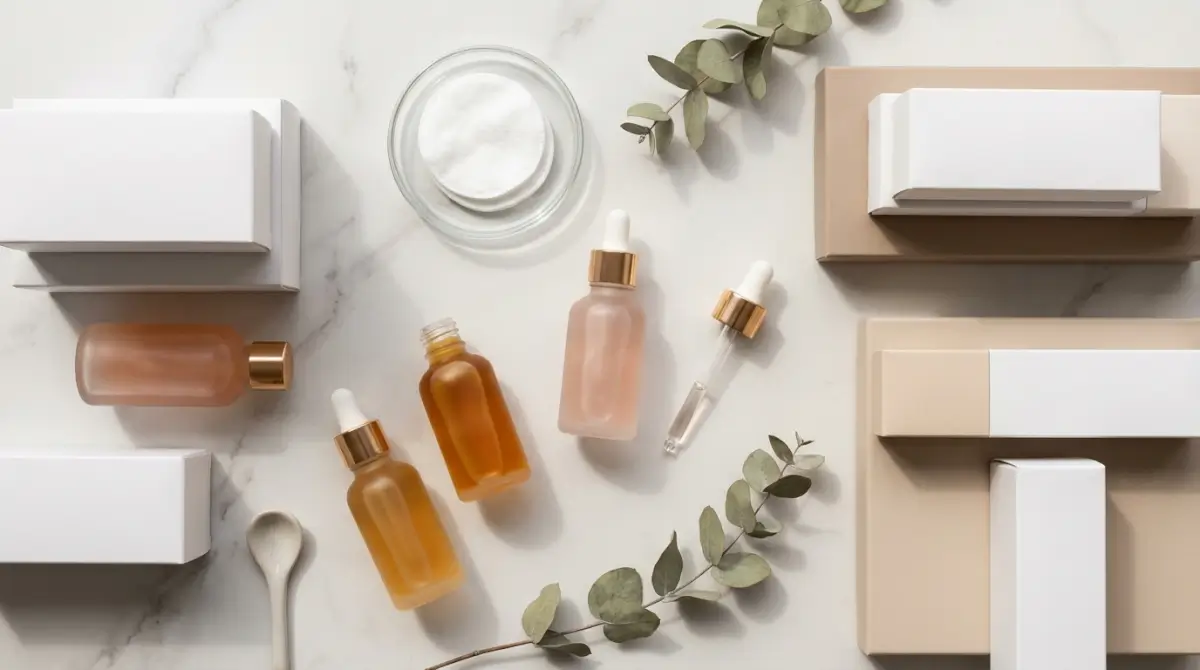
The difference between a recovery routine and your everyday routine isn’t just about ingredients — it’s about purpose. Your regular products maintain skin that’s already functioning well. Post-procedure skincare has to support a barrier that’s been deliberately disrupted to trigger renewal. These are completely different jobs, and treating them the same way is one of the most common reasons people don’t see the results they hoped for.
Why What You Apply Immediately After Matters
Affiliate disclosure: This article contains affiliate links. If you purchase through them, we may earn a small commission at no extra cost to you.
According to post-treatment guidance from board-certified facial plastic surgeons, proper aftercare protects the skin, reduces recovery time, and enhances the overall effectiveness of any rejuvenation treatment. That’s not marketing language — it reflects what’s actually happening at a structural level.
When your skin barrier is compromised, even mildly, it loses moisture faster than usual and becomes significantly more reactive to ingredients it normally tolerates. Fragrance, alcohol, acids, and even some preservatives can cause inflammation that prolongs healing. Research into skin barrier repair suggests mild damage typically heals within seven to fourteen days — but only when the right conditions are in place. Use the wrong products during that window, and you extend that timeline considerably.
The first forty-eight hours are particularly critical. Regardless of treatment type, avoid heat, strenuous exercise, and anything that increases blood flow to your face during this phase. Swelling, if it appears, is your skin’s inflammatory response doing its job — the goal isn’t to suppress it entirely, but to avoid unnecessarily amplifying it.
Building a Recovery Routine That Respects Healing Skin
The principle here is simplicity and layering order. Post-procedure skin doesn’t need more products — it needs the right ones, applied correctly.
Start with a cleanser that does the job without stripping. Fragrance-free and sulphate-free are non-negotiables at this stage. You’re removing impurities and any residue from the treatment itself, but you’re not trying to deep-cleanse. A gentle, milky or gel formula applied with clean fingertips (not a flannel or brush) is the right approach. If your skin feels tight after cleansing, that’s a sign the formula is too harsh for your current state.
Next, apply a hydrating treatment to skin that’s still slightly damp from cleansing. This matters more than it sounds — the residual moisture on your skin helps humectants like hyaluronic acid work properly, drawing water into the skin rather than pulling it from deeper layers. Look for formulations that combine hyaluronic acid with ceramides, which directly support barrier repair. Neutrogena Hydro Boost Hyaluronic Acid Gel Cream, available at Boots for around £22, offers exactly this combination — the gel texture absorbs quickly and doesn’t feel heavy on reactive skin, which is worth noting if your skin tends to feel congested after treatments.
That said, this product isn’t ideal for everyone. If your skin is extremely dry post-procedure or you’ve had more intensive work done, you may need something richer — a gel isn’t always enough to prevent transepidermal water loss in that case.
Finish by sealing everything in with a lightweight facial oil or protective serum applied over the top. This is your occlusive step — it slows moisture evaporation during the hours your skin is working hardest to repair itself. The order genuinely matters here: applying an oil before your hydrator prevents the hydrator from absorbing at all, which makes the whole routine far less effective.
What to Avoid (and When You Can Return to Normal)
In the first one to two weeks post-treatment, keep active ingredients well away from your skin. Retinoids, AHAs, BHAs, and vitamin C serums are all worth reintroducing eventually — they support collagen production and long-term skin health — but not until your surgeon or aesthetician gives the go-ahead, and not all at once. Reintroduce one at a time, starting at low concentrations.
Sun protection isn’t optional once you’re past the initial healing phase — it’s arguably the single most important habit for preserving your results. Healing skin is more susceptible to UV-triggered pigmentation, and scar tissue in particular can discolour permanently with sun exposure. A broad-spectrum SPF 30 or higher, applied every morning regardless of the weather, is the straightforward answer.
Avoid anything requiring vigorous rubbing or exfoliation until your skin has fully settled. Even well-intentioned habits like using a muslin cloth or cleansing brush can be too much during active healing.
Recovery is an active process, not a waiting game. Every product choice, every application order, every ingredient you skip during those early weeks adds up to either supporting your skin’s repair or working against it. Keep things simple, stay consistent, and let your skin do what it’s built to do.
Frequently Asked Questions
How soon after a chemical peel can I use retinol again?
Most skin specialists recommend waiting at least two to four weeks before reintroducing retinol after a chemical peel, depending on how deep the treatment was. Your skin needs to be fully re-epithelialised — meaning the surface has healed over — before it can tolerate active ingredients. When you do return to retinol, start with a low concentration and use it no more than twice a week initially.
Is hyaluronic acid safe to use immediately after microneedling?
Hyaluronic acid is generally considered one of the safest post-microneedling ingredients because it’s non-irritating and supports barrier hydration. However, the formulation matters — serums with added fragrance, alcohol, or preservatives can cause reactions on freshly treated skin. Opt for a simple, single-ingredient or minimal-formula hyaluronic acid product, and always follow your practitioner’s specific aftercare instructions.
Can I wear makeup during the recovery period after a facial treatment?
Most practitioners advise avoiding makeup for at least 24 to 48 hours after treatment, and longer after more intensive procedures like laser resurfacing. Applying foundation or concealer over compromised skin introduces bacteria and potential irritants directly into the barrier when it’s least equipped to handle them. Mineral-based products are typically the first to be reintroduced if coverage is needed, but check with whoever performed your treatment before doing so.
How We Research
Every recommendation on Styled & Cozy Spaces is based on ingredient analysis, UK retail pricing across major stockists (Boots, LookFantastic, Space NK, Amazon UK), and independent UK customer reviews. We do not accept payment for recommendations. When we include affiliate links, the commission does not influence which products we select.