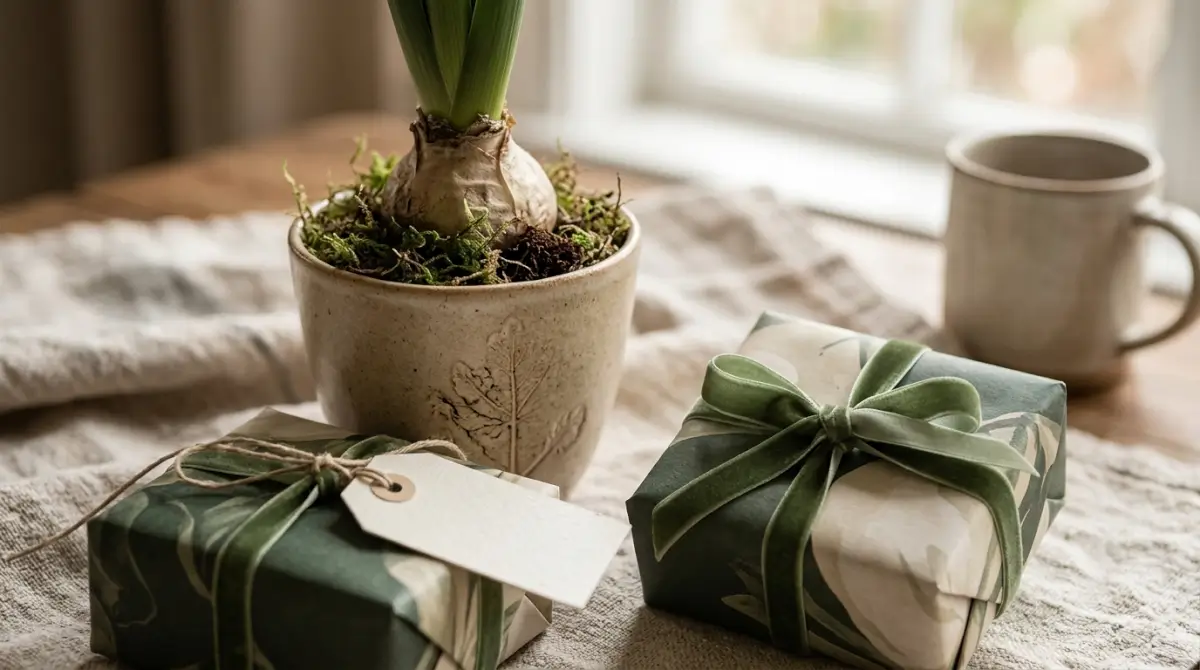
That longevity is what makes it feel genuinely luxurious. You’re not just marking a moment — you’re gifting every spring and summer of flowers to come.
At a glance
- Blooms repeatedly across growing seasons
- Supplied in a 12cm nursery pot
- Pink flowering variety, fragrant blooms
Affiliate disclosure: This article contains one affiliate link. If you purchase through it, we may earn a small commission at no extra cost to you.
Why a living rose outlasts the gesture
The simple reason a potted rose outlasts a bouquet is deadheading. When spent blooms are pinched off before the plant sets seed, it redirects its energy straight back into producing new flowers. It’s a bit like telling the plant there’s still work to do. That one small habit — removing faded blooms regularly — is what keeps a potted rose flowering for weeks rather than days, and coming back each year rather than ending up in the compost.
This makes it a particularly good fit for anniversaries, milestone birthdays, a new home, or those “thinking of you” moments that feel too significant for something that’ll wilt in a week. It also works quietly well for someone going through a difficult time — tending to something living has a way of being gently restorative without being sentimental about it.
It’s not right for everyone, though. If your recipient lives somewhere with very little natural light, or travels frequently and can’t keep a consistent watering routine, a cut bouquet or a lower-maintenance houseplant might suit them better. Roses do ask for attention — just not an unreasonable amount of it.
Getting the care right from day one
Roses have a reputation for being demanding, but the fundamentals are genuinely straightforward once you know them. Light is the most important factor: six to eight hours of direct sun daily produces the fullest blooms. A south-facing windowsill is ideal; an east or west-facing spot works if that’s what’s available. Avoid dark corners entirely.
Watering is where most people go wrong — usually by doing too much of it. Rather than sticking to a rigid schedule, check the soil with your finger. If the top inch feels dry, water thoroughly until it drains from the base. If it still feels moist, leave it another day. This simple weekly check prevents the majority of care problems and takes about thirty seconds. Roses dislike sitting in waterlogged soil, so if the decorative pot doesn’t have drainage holes, repot it into one that does.
Once the plant has settled in after two to three weeks, a balanced rose fertiliser every fortnight through spring and early summer keeps the blooms coming. You can ease off feeding in autumn and stop through winter. A light misting of the leaves (not the flowers) a couple of times a week also helps in centrally heated homes, where dry air can encourage spider mites.
What to look for when you’re buying
Whether you’re shopping in person or online, there are a few things worth checking before you commit. Look for a plant with multiple buds rather than one already in full bloom — you’ll get weeks more enjoyment as they open gradually. Foliage should be vibrant green without spots or yellowing, and the soil should feel moist rather than bone dry or sodden.
For online orders, check the pot size (typically 12–15cm for a starter plant) so it’ll suit your recipient’s space, and order at least a week ahead of any specific date to allow for delivery. A retailer who includes a care guide is a nice bonus, especially if the recipient is new to growing roses.
One option worth considering is this pink rose plant gift, which comes presented and ready to give — no extra wrapping required. It suits someone who already tends a few plants, but the care requirements are manageable enough that a beginner can get on with it confidently.
A potted rose is one of those gifts that keeps quietly justifying itself — every time it blooms, the person you gave it to will think of you. That’s a better return than a bouquet that’s beautiful on Tuesday and binned by Sunday.
Frequently Asked Questions
How often does a potted rose plant bloom indoors?
With enough light and regular deadheading, a potted rose can bloom repeatedly throughout spring and summer. Feeding every fortnight during the growing season helps maintain that cycle. Blooming typically slows or stops over winter, then resumes in spring.
Can a pink rose plant survive in a flat without a garden?
Yes, provided there’s a sufficiently bright windowsill — ideally south-facing, or east or west-facing as a second option. The key limitation is light rather than space; a rose won’t thrive in a dim room regardless of how well you water it. A sunny spot on a windowsill or balcony works well.
What’s the difference between gifting a potted rose and a bare-root rose?
A potted rose arrives already growing in compost and can be placed straight into a sunny spot — it’s the ready-to-gift option. A bare-root rose is dormant, sold without soil, and needs to be planted up on arrival, which suits an experienced gardener but is less practical as a gift for someone without that knowledge.
How We Research
Every recommendation on Styled & Cozy Spaces is based on product specifications, retail pricing across major stockists and independent customer reviews. We do not accept payment for recommendations. When we include affiliate links, the commission does not influence which products we select.
This article was created with AI assistance.